|
Recycling Carbon
www.RecyclingCarbon.com
Advertising with us produces results!
Increased
sales
New
customers
Greater
market share
Competitive advantage
Increased
shareholder value
For Recycling Carbon; Advertising, Business Development,
Marketing, or Sales solutions, call or email:

Austin, Texas
marketing@RecyclingCarbon.com

"Changing the Way the
World Makes and Uses Energy"
Thanks electric utilities and electric grid,
we'll take it from here!
|
Recycling Carbon
www.RecyclingCarbon.com
Biomethane is
the "Renewable Natural Gas"
What is "Recycling
Carbon?"
Our "recycling carbon" focus is on reducing or eliminating client's carbon emissions as it relates to the organic waste they produce. With our emissions abatement solution - which is based on "waste to fuel" technology, we upgrade their organic waste into the cleanest and greenest of all renewable fuels,
Biomethane. The
Biomethane is then used as the fuel for our CHP system which operates at nearly three times the efficiency of central power plants. This clean power and heat energy is then sold back to our clients producing the organic waste - which saves our clients money, reduces their greenhouse gas emissions and waste problems while protecting the environment.
Recycling Carbon, or "Carbon Recycling" is an environmentally superior method of providing the "Carbon Free Energy" and
"Pollution Free
Power" that society needs without harming the environment. Renewable fuels such as
Biomethane,
B100 Biodiesel,
E100 Ethanol and Synthesis Gas, can completely replace the need for fossil fuels on a 1-for-1 basis, thereby ending new net
greenhouse gas emissions
to an atmosphere and climate already super-saturated with carbon
dioxide
emissions and greenhouse gas emissions. When burning
Biomethane,
B100 Biodiesel and
Synthesis Gas for power and energy, the carbon dioxide emissions and
greenhouse gas emissions generated are "recycled" back into the biomass used to generate these renewable fuels thereby preventing any new net carbon dioxide emissions and
greenhouse gas emissions
to the climate.
Our economy requires power and energy for making society and business function. Power and energy provides the electricity businesses need, as well as heat and air-conditioning for our homes, as well as the power we need for our factories and the fuel our cars need to take us to work and our children to school, and the hundreds of other needs our cars provide us. The fossil fuels we use to produce the power and energy our society requires, contains "hydrocarbons." When hydrocarbons are burned, they combine with oxygen forming carbon dioxide during the combustion process, which is emitted in the form of
"carbon
dioxide emissions" from our factories' smokestacks, as well as from our homes' chimneys, and our cars tailpipes.
The World Energy Council reported that global carbon
dioxide emissions
from burning fossil fuels rose 12% between 1990 and 1995. In 1996, carbon dioxide emissions increased by 2.8%. The U.S. reported a 3.3% increase in
carbon
dioxide emissions
concentrations in the atmosphere.
The U.S. economy is the most advanced and productive worldwide, however, in having this leading economy, requires the use of significant amounts of power and energy and the U.S., therefore, generates 25% of the world's
greenhouse gas emissions.
Every year, the power and energy needs of society add over 35 billion tons of carbon dioxide emissions in the atmosphere. In addition, about 400 to 500 million tons of methane and biomethane emissions are release to the environment each year from livestock, coal mining, drilling for oil and natural gas, rice cultivation, and garbage that is decomposing in landfills. These harmful emission remain in the atmosphere for only 10 years, but traps 20 times more heat than carbon dioxide.
What
is
Biomethane?
Biomethane
is the "renewable natural gas" made from organic sources - which starts
out as "biogas" but then is cleaned up in a process called
"Biogas to Biomethane" which removes the impurities in biogas such as carbon dioxide,
siloxanes and hydrogen sulfides (H2S).
Biomethane
is soon to be re-classified from the category of "Low Carbon Fuels" to
"Super Low Carbon Fuel" due to it being recognized as the greenest of all biofuels!
One
the Biogas is "cleaned-up"
and upgraded into Biomethane,
it's ready for use in an onsite
cogeneration or
trigeneration power plant,
or the Biomethane
could be sold to a natural gas pipeline company as
"pipeline
quality gas." Because Biomethane
is used as just like natural gas, it can completely
replace natural gas and also be transported almost to any destination in the USA
via the vast
underground natural gas pipeline system.
Renewable
Biomethane
will some day replace much of the "methane"
(CH4) that is sold by natural
gas utility companies.
Biomethane
has an unlimited supply, whereas the methane sold by gas companies has a limited
supply. Biomethane
is renewable, whereas the methane sold by your gas
utility company is not renewable. Biomethane
and biogas
recovery, use and production
generates "Greentags" or a "Renewable Energy Credit" for the
owners and is GOOD for our environment.
Biomethane
is "naturally" produced from organic
materials as they decay. Resources where Biogas and Biomethane
can be produced include; landfills,
POTW's/Wastewaster
Treatment Systems, and Biogas Plants where organic feedstock is processed via anaerobic digesters.
Biomethane
is also generated from animal operations where manure
can be collected and the Biomethane
is generated from anaerobic digesters
as biogas - which is NOT useable - where
the manure decomposes, and the biogas is then processed and purified to become Biomethane.
Biogas
is now produced (via
anaerobic digesters)
with the following feedstock;
Kentucky Bluegrass (popular in Germany as a feedstock for producing biogas in anaerobic digesters)
camelina
jatropha
miscanthus
poplar
salicornia
seashore mallow
sorghum
spartina (grows well in brackish waters)
switchgrass
Many of these crops are "sustainable" in that they can be grown on marginal lands where food crops are not grown and
require little to no fertilizer and minimal amounts of water/irrigation.
In addition to agricultural crops, biofuels can be produced from agriculture waste and food processing waste such as;
cheese whey
citrus waste (such as citrus peels)
corn cobs
cotton gin waste
fruit waste (seeds / pits)
nut shells
restaurant waste (FOG: fats, oils and grease)
rice hulls /rice husks
sugar beet waste (pulp)
Biomethane
after installation of the Biomethane
equipment is essentially free, as opposed
to buying natural gas, presently costing around $10.00/mmbtu.
Methanogenesis
is the production of CH4 and CO2 by biological processes that are carried out by
methanogens.
Unlike the price of natural gas, which
has been very unstable, and wildly fluctuating from $4.00 to as much as $17.00/mmbtu
over the past 5 years. Biomethane
production - while based on feedstock, costs about $1.25/mmbtu. Simultaneously,
biomethane sells as a premium, and as much as 2-3 times the cost of natural gas,
due to the environmental attributes.
As more and more
Biomethane
is produced, consumers are increasingly demanding that Biomethane
makeup a portion of their natural gas supply!
Biomethane is the cleanest, greenest and most economic of all biofuels
according
to the leading renewable fuel experts in Germany, Sweden & the USA!
"Changing the Way the
World Makes and Uses Energy"

Austin, Texas
marketing@RecyclingCarbon.com
"The
Future of Energy is 'Net Zero
Energy'
and
'Way Beyond
Solar!'" sm
"Net Zero Energy"
Revenues to reach $690 Billion / year by 2020
and $1.3 Trillion / year Industry by 2035
Custom-built Engine Gensets, CHP Systems, Cogeneration
& Trigeneration Energy Systems
Demand Side
Management, District Energy,
Micro-Grid & Net Zero Energy Solutions
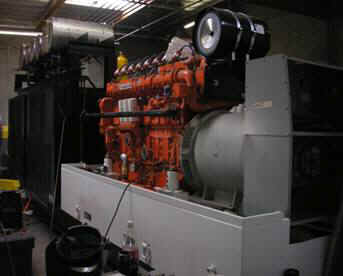
Produce the Clean Power & Energy Your Business Requires with a;
CHP,
Cogeneration or Trigeneration energy system for a fuel cost of 4 cents/kWh
(with natural gas priced at $4.00/mmbtu)
Biogas
and Biomethane is produced from:
Anaerobic Digesters
Animal Feeding Operations
Landfills
Sewage
Sludge
Crop waste - Organic commercial/industrial waste
Energy
Crops / Cellulosic Crops (e.g., grass, stillage, switchgrass)
Wastewater
& Wastewater Treatment Plants
When
It Comes to Energy Independence,
Biomethane, Not Coal, is America's "Ace in the Hole"
and
the Greenest of All Biofuels
It's
Time to Start Building Our Country's Biomethane Infrastructure &
Producing Biomethane, the Cleanest/Greenest Biofuel!
Biomethane Technologies
www.Biomethane.com
Biomethane,
NOT Coal, is America's True "Ace in the Hole" when it comes to our
energy future, economics, the environment, sustainability and America's
“Energy Independence.” And biomethane is also receiving recognition as being
the greenest of all biofuels!
For
years now, the coal industry has been touting "coal is America's 'Ace in
the Hole'" when they discuss the abundance of our coal reserves here in the
U.S. and the role they hope coal will play in America's energy future.
But
coal is far from being the “Ace in the Hole” the coal lobby would have
everyone believe. That’s due to
the proverbial “black eye” not to mention the “black lungs” and other
problems that are inherent with “dirty coal.”
While
there may be a place for coal in America's energy future, coal must become
"clean" for America to value it as a possible energy resource. Plans
or building 18 new Coal fired power plants were cancelled in Texas last year due
to the fact that coal isn't clean, and utilities aren't interested in investing
the extra costs for building power plants that use "Clean Coal
Technology" or "Integrated Gasification Combined Cycle" power
plants that also now need to include "Carbon Capture and
Sequestration" technologies to remove the carbon dioxide emissions from the
stacks. Plans for many other coal fired power plants are being cancelled. And
even now, owners of coal fired power plants (pulverized coal) are switching from
coal, to biomass, and biomass gasification technologies, as the writing is on
the wall.
Unless
our society relishes the thoughts of moving back to the caves, and using
candles, and foregoing our modern-day comforts, we need to move forward with
renewable energy technologies such as biomethane, as the alternative is power
shortages and blackouts.
We
believe biomethane represents the best and greenest of all biofuels. There are
no supply problems with biomethane, and we have a virtually unlimited supply for
using biomethane wherever natural gas is presently used as a fuel.
It
should be pointed out that biomethane is chemically no different than natural
gas from the "fossil fuel" form of natural gas or CH4.
However,
one important distinction between biomethane and the fossil-fuel variety of
natural gas, is that the production and use of biomethane is “carbon
neutral” in that the greenhouse gas emissions from biomethane use do not add
any new net greenhouse gas emissions.
Biomethane
starts out as “biogas” but must be cleaned and purified before it can be
used as a renewable fuel. The
process of cleaning and purifying the biogas is called “biogas to biomethane.”
The impurities that are found in biogas include hydrogen sulfides,
siloxanes, and carbon dioxide. When the impurities are removed from biogas, it
is then referred to as biomethane and available for use as a clean fuel, just as
the fossil-fuel form of natural gas is used.
Biomethane
reserves and supplies, unlike fossil-fuel natural gas, are virtually unlimited.
Biomethane is produced from many sources including anaerobic digesters,
wastewater treatment systems, landfills and most agricultural and forestry
operations. Last year, the first Biomethane NGV refueling station was opened in
Eugendorf, Austria. Like a gas
station provides gasoline for cars, the the NGV Biomethane station in Eugendorf
provides biomethane for NGVs (Natural Gas Vehicles).
Presently, the station provides a blend of biomethane and natural gas.
Eventually, they hope to provide 100% biomethane for natural gas
vehicles. Companies and researchers
in Germany and Austria have determined that “Cellulosic Biomethane” is the
greenest of all biofuels, and the least expensive biofuel to produce.
Germany and Austria are now planting vast amounts of a form of Kentucky
Bluegrass which will be harvested for use in producing “Cellulosic Biomethane,”
through anaerobic digesters and fermentation.
Researchers
from around the world, starting in Austria, are finding that grasses such as
Kentucky Bluegrass are easily converted into biomethane as well as organic
fertilizer. Cellulosic Biomethane production doesn’t require the fermentation
of sugars or starches - as the first generation of liquid biofuels – requiring
grains and oilseeds from food crops. As the Austrian Cellulosic Biomethane
project shows, biomethane can be produced from a cellulosic biomass feedstock
like grass. Yield estimates from the Austrian Cellulosic Biomethane research
indicate that one natural gas vehicle can travel 10,000 to 15,000 miles on just
one acre of Kentucky Bluegrass that was processed into biomethane.
At
a Jan. 8, 2009 public workshop held by the California Natural Gas Vehicle
Coalition, they documented the superior benefits and potential of biomethane as
a clean, renewable energy resource. The
California Natural Gas Vehicle Coalition stated that Biomethane should be
classified as a "Super Ultra Low Carbon fuel."
Super Ultra Low Carbon fuel is defined as providing at least an 82
percent reduction in greenhouse gas emissions - based on the California Air
Resource Board’s analysis of biomethane from landfill gas.
Biomethane
has a carbon dioxide emissions intensity of only 11 as compared with:
67.9 for natural gas
95.8 for diesel
96.7 for gasoline
Biomethane
can displace and substitute the equivalent of 29% percent of all petroleum
diesel transportation fuel used - almost immediately.
According
to the California Energy Commission and the Biomass Collaborative, landfills,
wastewater treatment, and dairy waste sources - which are "developable
today" and can start producing Biomethane almost immediately, with low
investment/high returns, could yield 121 billion cubic feet of Biomethane. At
$8.00/mmbtu, that's a $1 billion market opportunity in California alone.
The 121 billion cubic feet of Biomethane equals about 860 million gallons
of petroleum diesel. California alone uses about 3 billion gallons of diesel
annually for transportation. Emerging biomass gasification and Biomethanation
technologies could more than double Biomethane supplies.
Biomethane
- like natural gas from "fossil fuels" - can be compressed or
liquefied. And using "Compressed Biomethane" is a significantly better
choice as a transportation fuel than traditional "natural gas."
Biomethane
is the "natural, natural gas" and is far better for the environment
and the economy than natural gas. Biomethane, when "vented" to the
environment, is 21 times more hazardous to the climate than carbon dioxide
emissions which are the only emissions (and water vaport) from compressed
natural gas vehicles' engines when used as a fuel.
Again,
we are reminded that Biomethane is the same chemical compound as natural gas:
CH4, and completely replaces and substitutes for natural gas. Engines, turbines,
boilers and every other natural gas appliance can use Biomethane without any
adjustments or modifications - just like natural gas.
Biomethane
supplies, as opposed to natural gas supplies from the fossil fuel industry, are
available in an unlimited supply.
Moving
forward with a “Biomethane Infrastructure” is the direction our country
needs to be moving as one of our fuel choices as we become energy-independent.
Every MCF of Biomethane that we use displaces about 8 gallons of gasoline
and creates jobs that will never be outsourced or downsized.
(Some
of the above information from the California Natural Gas Vehicle Coalition.)
Biomethane
www.Biomethane.com
Biomethane
is the "Renewable Natural
Gas"
The Nearly-unlimited Potential for Biomethane
and Renewable Natural Gas
-
According to
recent studies by researchers, professors and universities in Sweden, cellulosic biomethane
is significantly more economic and less energy intensive to produce today than
any biofuel (i.e.
E100
Ethanol,
B100 Biodiesel,
Dimethyl
Ether, etc.).
-
If
the U.S. were to similarly emphasize the production of cellulosic biomethane
as Sweden is now doing, the U.S. could significantly increase the supply of Biomethane
- a renewable, clean fuel with an unlimited supply.
-
Biomethane
can be produced from landfill gas, sewage and animal and crop waste. Besides supplementing
our existing natural gas supplies, Biomethane
would provide huge greenhouse gas emissions reductions.
-
Based on an analysis conducted
for the Department of Energy in the 1990's, it appears that at least 1¼ quadrillion BTUs of methane could reasonably be produced using
exiting landfill gas to energy
sites, wastewater
treatment systems and animal waste sources (Concentrated
Animal Feeding Operations) alone.
-
If
the Biomethane
produces in the U.S.
were used for natural gas
vehicles, it would displace approximately 10 billion gallons of gasoline,
per year! This is 10 times the amount (1 billion
gallons of gasoline) per year projected for natural gas (the
fossil fuel) in the Annual DOE outlook.
Regarding Greenhouse Gas
Emissions and
Biomethane/Renewable Natural
Gas vs. Gasoline
-
In the U.S.,
it is now feasible to capture and use about 1.25 quadrillion Btu's of Biomethane
from landfills, animal waste and POTWs (wastewater treatment systems) alone.
This is equivalent to about 6% of all of the natural gas presently used in the U.S.
Other
Benefits and Incentives of Biomethane:
The Federal Biogas/Biomethane Tax Credit:
Equal to 2.0 cents per KWH (approximately $5.66 per MMBtu) for electricity produced on-site from
Biomethane.
All other uses of biogas and Biomethane
in vehicles and producing electricity off-site) do not
presently qualify for the Federal Biogas/Biomethane Tax Credit.
Biomethane & Synthesis
Gas -
the Greenest of All Renewable Fuels!
As Biomethane
is a near perfect fuel, and since Biomethane
represents the best of all biofuels in terms of Recycling Carbon, and has the
highest Net Energy Balance, and as
Biomethane technologies such as Anaerobic
Digesters and Biomass
Gasification development increases and becomes even more commonplace, one of
the fundamental questions is: what is the size of the potential biomass resource
supply in the U.S.?
In April 2005, the DOE and the U.S. Department of Agriculture (USDA)
co-published a report assessing the potential of the land resources in the U.S.
for producing sustainable biomass: Biomass as Feedstock for a Bioenergy and
Bioproducts Industry: The Technical Feasibility of a Billion-Ton Annual Supply.
Looking at forestland and agricultural land, the two largest potential biomass
sources, this study estimates that the U.S. can sustainably produce up to 1.3
billion tons of biomass feedstock by mid-century. This would be enough feedstock
to produce 60 billion gallons of B100 Biodiesel and
E100 Ethanol with today's
technologies.
This
study doesn't address the opportunities for Biomethane
production from biomass feedstock or Biomass
Gasification technologies. Some
recent estimates indicate that Biomethane
could
replace up to 50% of present natural gas consumption in the U.S. and in some
countries, such as Iceland, Biomethane
already
provides 100% of the natural gas requirements.
There
are many assumptions in the Billion Ton Study report that impact these
estimates, but we believe the estimates reasonably reflect the potential
availability and impact of biomass resources.
Of the total estimated resource, the study suggests that forestlands in the
contiguous United States can produce approximately 368 million dry tons
annually. This projection includes 52 million dry tons of fuelwood harvested
from forests and woodlands, 145 million dry tons of residues from wood
processing mills and pulp and paper mills, 47 million dry tons of urban wood
residues including construction and demolition debris, 64 million dry tons of
residues from logging and site clearing operations, and 60 million dry tons of
biomass from fuel treatment operations.
Biomass
to Biofuels
By
"converting" biomass wastes – such as municipal solid waste, sewage
sludge, crop residues, energy crops, and manure – into biofuels, this will
resolve the energy, environmental and political problems in an economical and
environmentally sound manner - that will produce over one million new jobs.
According
to Jeff Seisler, Director of the European Natural Gas Vehicle Association,
"Biomethane
has
an outstanding potential as a multifaceted solution to multifaceted social
problems: urban and agricultural waste management, water purification, and clean
air. Urban and agricultural waste can be processed into usable methane, as can
the sewage during the water purification process. Cleaning and compressing the
gas for use in vehicles then provides cleaner air than petroleum-consuming
vehicles."
Continuing, Mr. Seisler states about Biomethane;
"this environmental 'closed loop waste-to-energy-to-fuel used in vehicles
that again truck the next load of waste to the energy processing
plants-substitutes fossil fuels with a renewable resource and reduces greenhouse
gases 100% as compared to over gasoline vehicles (on a well-to-wheel basis).
According
to Peter Boisen Chairman, of ENGVA, "various well respected European
research institutes now estimate more than three times better fuel output per
hectare of land used than if going for ethanol or biodiesel. Sweden currently
has a 51% Biomethane
share,
and Switzerland 37%. France, Norway, Germany and Austria use smaller amounts for
vehicles. Iceland, completely without natural gas, uses 100% biomethane in its
NGVs," Boisen says. Continuing, Boisen adds, "China, India,
Korea, the Ukraine, Spain and Italy are other examples of countries now starting
up projects where Biomethane
will be used as a vehicle fuel."
"With the energy efficiency of the gas production process at 50% to 70%
it's hard to think of a more socially acceptable and economic energy value for
the transportation sector," Boisen says.
"Governments need to get out of their liquid fuel paradigm to refocus and
balance their policies and communications to support the development of a Biomethane
infrastructure. In Europe Biomethane
has the potential to replace 20% of the
petroleum consumed in the transport sector by 2030."
California and Sweden Sign Agreement to Jointly Develop
Biomethane
and Other Renewable Fuels
Thursday, 29
June 2006
Sacramento, California USA and Sweden
In a ceremony held at the Ministry of the Environment in Stockholm,
representatives of the Kingdom of Sweden and the State of California signed an
agreement pledging the two governments and their related industries to work
together to develop bioenergy, with a particular emphasis on Biomethane.
“Through a strong working relationship between its industry and government,
Sweden is showing how bioenergy can be developed in a cost-effective manner that
benefits its economy and environment. We are extremely pleased to have signed
this Memorandum of Understanding (MOU) that will provide a basis for intensified
collaboration between Swedish and California officials to develop a thriving
bioenergy industry in California,” said Joe Desmond, Undersecretary for the
California Resources Agency.
In particular, Sweden has been a global leader in terms of converting biowaste,
largely agricultural material and residues, into usable Biomethane.
This gas is then used to either generate electricity, residential heating, or as
a transportation fuel.
More than 8,000 vehicles in Sweden are powered by a combination of natural gas
and Biomethane.
The vehicles include transit buses, refuse trucks, and more than 10 different
models of passenger cars. There are more than 25 Biomethane
production facilities in Sweden and 65 filling stations. The Swedish Biomethane
industry has been growing at an annual rate of about 20 percent over the last
five years.
According to the Swedish Gas Association, more than 50 percent of the methane
used to power Sweden’s natural gas vehicles now comes from biological sources,
up from 45% last year. Natural gas vehicle sales in Sweden are increasing at the
rate of 25% per annum.
Sweden was motivated to develop its Biomethane
industry because it has no natural gas reserves, to more efficiently manage its
waste, and to meet its obligations under the Kyoto Accord. Since Biomethane
is developed from methane sources that would normally release into the
atmosphere, it’s considered one of the most climate friendly fuels. Methane
(and Biomethane)
is 21 times more reactive as a greenhouse gas than carbon dioxide (CO2). Sweden
is currently meetings its objectives and schedule as outlined in the Kyoto
accord.
Biomethane
is developed by heating up and breaking down biomaterials in an (Anaerobic
Digesters) digester. Among other raw materials, Swedish operators feed their
Anaerobic Digesters with
slaughterhouse waste, swine manure, and even grassy crops. After the materials
breakdown over a 20 day period, technology is then used to remove the impurities
and produce Biomethane.
Once cleaned-up, Biomethane
is 98 percent methane and easily meets the Swedish and California pipeline
standards.
The Memorandum of Understanding can be accessed on the California Resources
Agency Web site: http://resources.ca.gov/press_documents/CaliforniaSwedenBiofuelsMOU.pdf
Biomethane is the cleanest, greenest and most economic of all biofuels
according
to the leading renewable fuel experts in Germany, Sweden & the USA!
"Changing the Way the
World Makes and Uses Energy"
Austin, Texas
marketing@RecyclingCarbon.com
Biogas
Plant Development with Anaerobic
Digesters
Anaerobic
Digesters recover valuable and toxic Biomethane
from organic materials and prevents the Biomethane
- which has a Global Warming
Potential that is 21 times more harmful to our climate than Carbon
Dioxide Emissions - from entering the atmosphere.
Biomethane,
which we also refer to as "Renewable
Natural Gas" is used as a renewable fuel for our cogeneration
and trigeneration power plants.
Alternatively, we may sell the Biomethane
to a customer and transport it to them from our Anaerobic
Digesters via natural gas pipelines.
We
believe Anaerobic
Digesters and Biomethane
represent exciting opportunities for generating renewable
natural gas and profits - for multiple reasons:
1. Anaerobic
Digesters take an existing liability
and waste (Biomethane)
and convert it into an asset and " profit generator."
2. Anaerobic
Digesters mitigate and reverse
climate change and global warming by preventing Biomethane
to escape into the atmosphere, which is one of the major causes of climate
change and global warming.
Of all Greenhouse
Gas Emissions, Biomethane
is 21 times more harmful to the environment than Carbon
Dioxide Emissions.
3. Anaerobic
Digesters are vital for renewable
energy production and helping our country's drive for energy independence.
4.
EVERY wastewater treatment plant as well as ALL Concentrated
Animal Feeding Operations (CAFO's) - IN EVERY COUNTRY - will soon be
installing Anaerobic
Digesters to prevent Biomethane
from entering the atmosphere and help reverse climate change as well as for use
as a renewable fuel. Or, they will be replacing their existing inefficient and
inferior mechanical wastewater treatment plants, with our "Natural
Wastewater Treatment" plants!
5.
The country of Sweden is the global leader in Biomethane
production. Sweden has identified the Biomethane
opportunities and is converting biowaste derived from agricultural material and
residues into usable Biomethane.
The Biomethane
is used to generate clean, renewable electricity, residential heating, and also
as a transportation fuel. Biomass sources make up 45% of Sweden’s Biomethane.
Sweden's Biomethane
industry has been growing at an annual rate of around 20% over the last five
years. Biomethane
powers more than 8,000 transit buses, garbage trucks, and 10 different models of
passenger cars in Sweden. Sweden now has more than 25 Biomethane
production facilities and 65 filling stations. The country believes that since Biomethane
is developed from natural, organic sources that would have been released into
the atmosphere, that Biomethane
is considered one of the most climate-friendly fuels. Biomethane
is 98% methane and easily meets the Swedish and California pipeline standards.
“spending
hundreds and hundreds and hundreds of billions of dollars every year for
oil, much of it from the Middle East, is just about the single stupidest
thing that modern society could possibly do. It’s very difficult to think of anything
more idiotic than that.”
~ R. James Woolsey, Jr., former Director of the CIA
According to R. James Woolsey, for Director of the Central Intelligence Agency, “The basic insight is to realize that global warming, the geopolitics of oil, and warfare in the Persian Gulf are not separate problems — they are aspects of a single problem, the West’s dependence on oil.”
We
deliver solutions:
Advertising
Business
Development
Capital Access
Customers
Engineering
Marketing Strategies
Investor Inquiries
Investment Opportunities
New projects
Public
Relations
Sales Solutions
Strategic Marketing
That produce results:
Increased
sales
Greater
market share
Competitive advantage
Increased
shareholder value
American Energy Plan
sm
www.AmericanEnergyPlan.org
3-5 million new jobs
Fuel Savings of > $1.50/gallon
American Energy Independence
Ends the worst economic depression of all time

NO
FOREIGN OIL!
www.NoForeignOil.com
Support
Renewable Energy
and America's
Renewable Energy Technologies
resources and companies!
We support the Renewable Energy Institute by donating a portion of our profits to the
Renewable Energy Institute
in their efforts to reduce fossil fuel use by transitioning to Renewable
Energy Technologies and reducing/eliminating Carbon
Emissions, Carbon
Dioxide Emissions and Greenhouse
Gas Emissions.
The Renewable Energy Institute
is "Changing The Way The World Makes and Uses Energy" SM
by providing research & development, funding and resources that reduce the
cost of Renewable
Energy Technologies and
making a faster transition to Carbon Free
Energy, Clean
Power Generation, & Pollution Free
Power."
Follow
us on Twitter:
#Biogas #Biomethane
#Biofuel #NaturalGas #RenewableNaturalGas
#Biomethane_


"Changing the Way the World
Makes and Uses Energy"
Recycling
Carbon
www.RecyclingCarbon.com
marketing@RecyclingCarbon.com
RecyclingCarbon.com
Copyright
© 2007
All Rights Reserved
Aerobic Digester
www.AerobicDigester.com
Amine
Plants
www.AminePlants.com
Amine Sweetening
www.AmineSweetening.com
Amine Units
www.AmineUnits.com
Anaerobic Digester
www.AnaerobicDigester.com
Anaerobic Digesters
www.AnaerobicDigesters.com
Anaerobic Lagoon
www.AnaerobicLagoon.com
Biogas Conditioning
www.BiogasConditioning.com
Biogas Conference
www.BiogasConference.com
Biogas Development
www.BiogasDevelopment.com
Biogas Magazine
www.BiogasMagazine.com
Biogas Processing
www.BiogasProcessing.com
Biogas to Biomethane
www.BiogasToBiomethane.com
Biomass Gasification
www.BiomassGasification.com
BTEX Removal
www.BTEXremoval.com
CHP Systems
www.CHPsystems.com
Complete Mix Digester
www.CompleteMixDigester.com
Covered Lagoon
www.CoveredLagoon.com
Emissions Abatement
www.EmissionsAbatement.com
Emissions Engineering
www.EmissionsEngineering.com
H2S Removal
www.H2Sremoval.com
H2S Scavengers
www.H2Sscavengers.com
Hydrogen Sulfide Removal
www.HydrogenSulfideRemoval.com
Iron Sponge
www.IronSponge.com
Landfill Gas to Energy
www.LandfillGasToEnergy.com
Landfill Methane
www.LandfillMethane.com
Methane Recovery
www.MethaneRecovery.com
Natural Gas Treating
www.NaturalGasTreating.com
Natural Wastewater Treatment
www.NaturalWastewaterTreatment.com
Pipeline Quality Gas
www.PipelineQualityGas.com
Plug Flow Digester
www.PlugFlowDigester.com
Renewable Natural Gas
www.RenewableNaturalGas.com
Sewage Sludge
www.SewageSludge.com
Syngas Cleanup
www.SyngasCleanup.com
Synthesis Gas
www.SynthesisGas.com
Vapor Recovery Units - VRU
www.VaporRecoveryUnit.com
Vapor Recovery Systems
www.VaporRecoverySystems.com
VOC Control
www.VOCcontrol.com
VOC Removal
www.VOCremoval.com
Wastewater Treatment
System
www.WastewaterTreatmentSystem.com
Waste to Energy
www.WasteToEnergy.net
Waste to Fuel
www.WasteToFuel.com
Waste to Watts
www.WasteToWatts.com